Less routine work
Automated checks can lower monitoring costs and free your team for decisions that need judgement.
 FreunDo
Listen locally. Detect changes. Act with evidence.
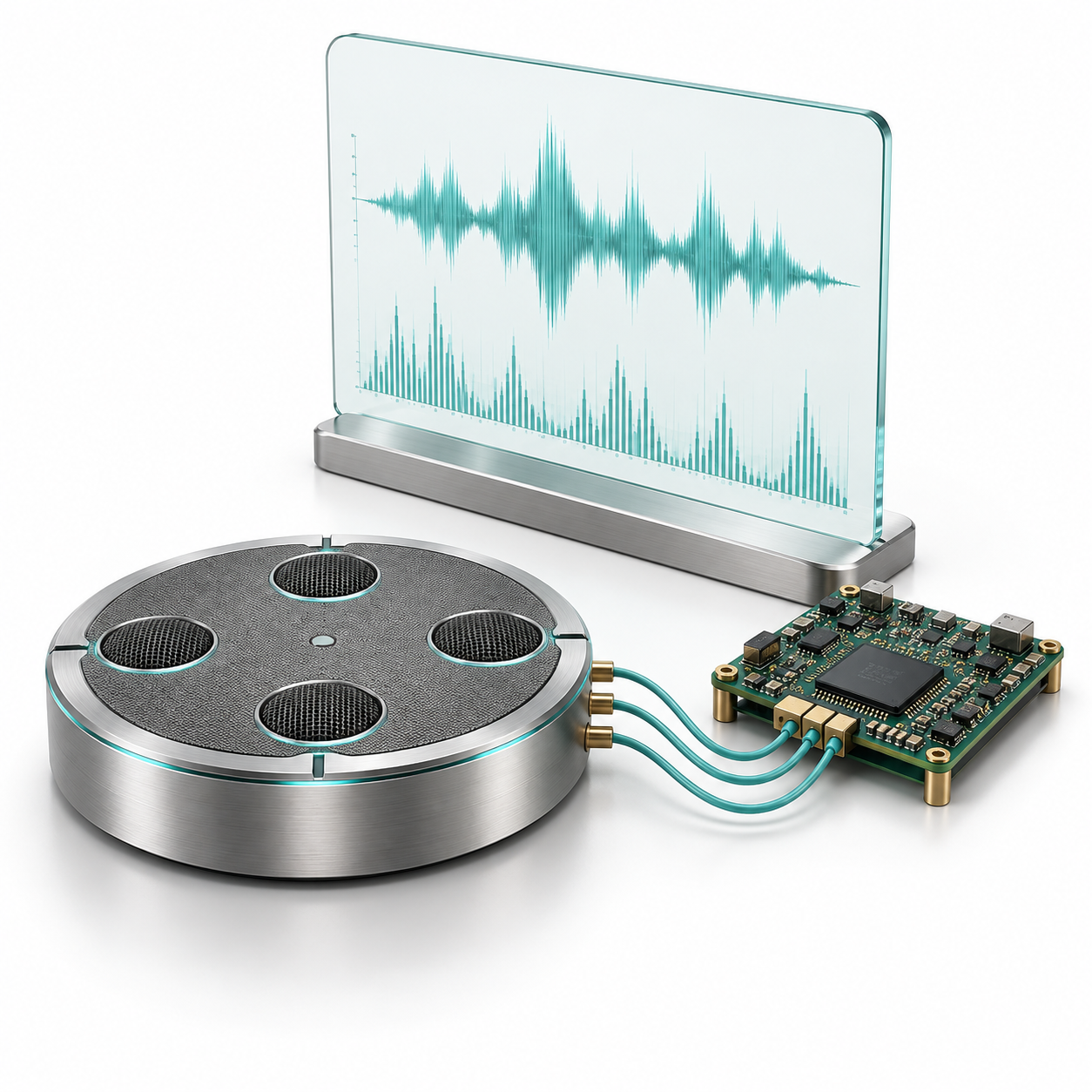
An edge agent that cross-checks acoustic risks and alerts your team. Reduce routine monitoring, lower operating costs and keep sensitive processing local.
Applications
Coordinate enhanced audio, translated captions and device context across compatible hearing aids and smart or 3D glasses.
Device compatibility, synchronisation, latency, battery use and accessibility.
Device APIs and consent are required. Clinical and safety-related uses need separate validation.
Assisted monitoring
Cross-check potential risks before escalating. Support human monitoring, with people responsible for uncertain cases and follow-up actions.
Synthetic example only. No live sensors, model inference or notifications.
Illustrative outcome
Score, persistence and supporting evidence meet the policy. Route the evidence to an operator.
Three qualifying windows plus supporting evidence trigger this example's alert. False positives and missed events remain possible.
Scores are illustrative, not probabilities. Lower thresholds can add review work; higher thresholds can miss events. Correlated models may share errors. Missing or conflicting evidence is not an all-clear.
Operational value
Automated checks can lower monitoring costs and free your team for decisions that need judgement.
Evidence-linked alerts help teams prioritise inspections and timely maintenance.
Edge inference runs without cloud computing, reducing off-site audio transmission and helping protect privacy.
Your assumptions, not measured results or a savings forecast.
Based only on the assumptions shown.
Include review and upkeep in remaining hours. Released time is not necessarily a cash saving.
Released hours = current minus remaining hours. Monthly value = released hours × hourly cost minus recurring costs. First-year value = 12 × monthly value minus setup costs. Negative values mean added workload or cost. Excludes downtime, avoided failures, equipment life, tax and financing.
Your application
Tell us about your signals, devices and priorities.
Your brief stays local. Nothing is sent automatically.
contact@freundo.co.uk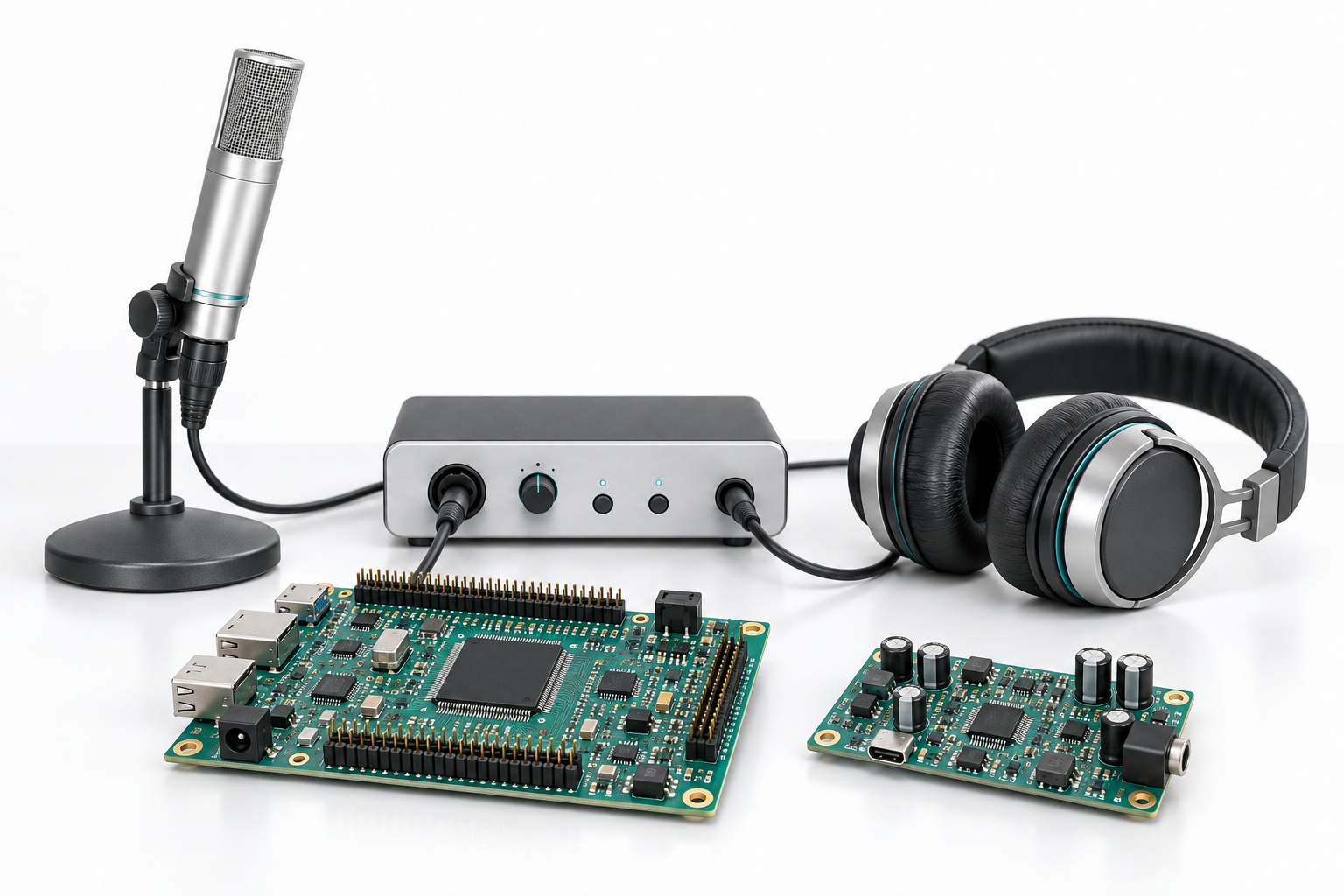
One workflow connects specialist models, context and evidence across devices. Each acoustic domain still needs its own processing and evaluation.
In-house feasibility analysis and experiments are complete. A scoped pilot confirms performance, supported devices and deployment requirements for your use case.
Measure false alerts, missed events, review workload and total cost. Agree data sharing, security, retention and human oversight. Local inference is not absolute privacy; an alert alone does not prevent a failure.